Challenges to be Addressed
Uganda faces significant healthcare challenges that disproportionately affect vulnerable populations, including women, children, and rural communities. Urgent intervention is needed in four priority areas
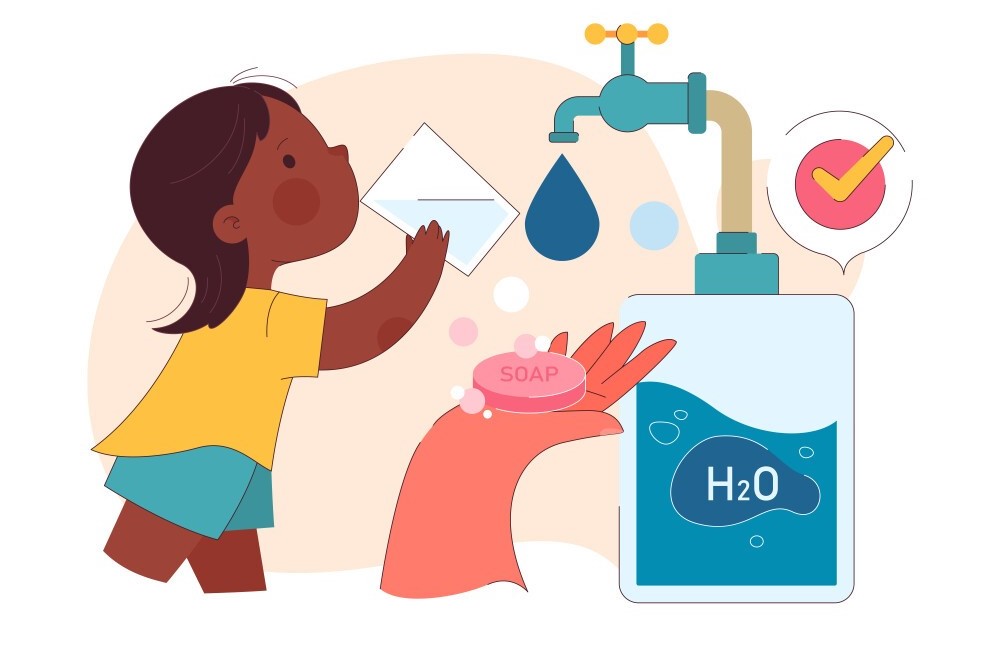
Water, Sanitation, and Hygiene (WASH)
32% of Ugandans lack access to safely managed drinking water, and 64% lack access to basic sanitation facilities (WHO/UNICEF Joint Monitoring Programme, 2023). In eastern Uganda, where Same Day Hospital is located, 42% of the population relies on contaminated water sources (Uganda Bureau of Statistics, 2023). Water-related illnesses cost Uganda approximately $177 million annually in lost productivity and healthcare expenses (World Bank, 2023). Waterborne diseases account for 18% of child mortality under age five, causing approximately 8,300 preventable deaths annually (Uganda Ministry of Health, 2023). Cholera, typhoid, and dysentery outbreaks are common, especially during rainy seasons, overwhelming local health systems. Women and girls spend an average of 2.7 hours daily collecting water, limiting their educational and economic opportunities (UNICEF, 2024).
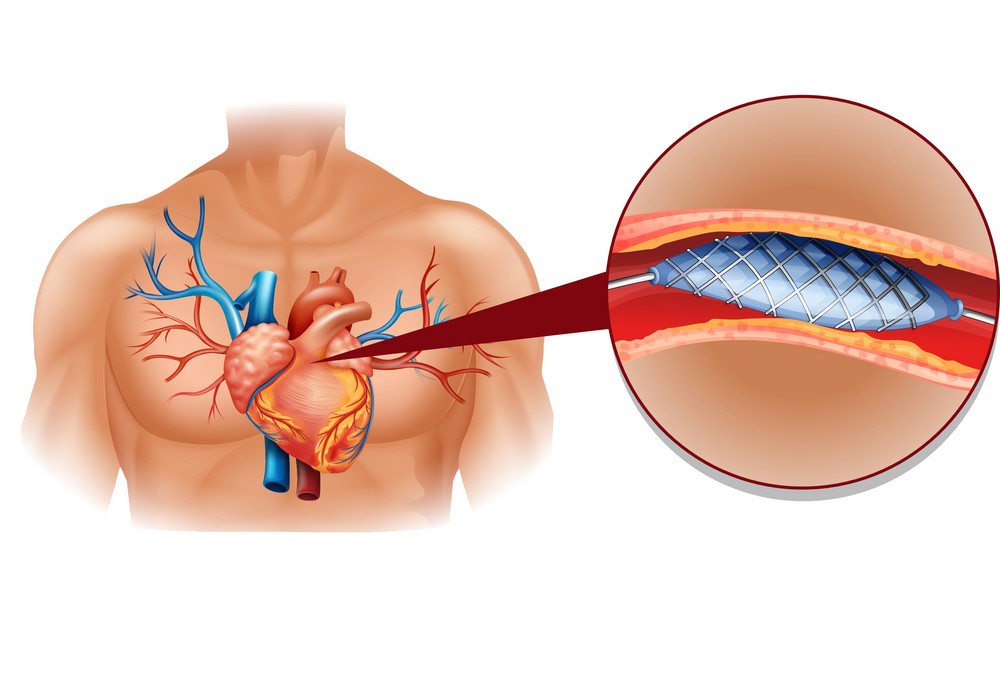
Oncology Services
Uganda has a high cancer mortality rate, with 21,300 deaths recorded in 2023, representing a 78% mortality rate compared to 30-40% in high-income countries (WHO Global Cancer Observatory, 2024). Late diagnosis is a major factor, with 80% of cases identified at advanced stages when treatment options are limited and costly (Uganda Cancer Institute, 2023). Oncology access is particularly limited in eastern Uganda, where patients travel an average of 217 kilometers to reach diagnostic and treatment facilities (Mbonye et al., 2023). The region has only 1.2 oncology specialists per million people, compared to the WHO-recommended 10 per million. There are critical equipment shortages, including one mammography machine per 1.2 million women and limited pathology infrastructure for accurate diagnosis (Uganda Allied Health Professionals Council, 2024).
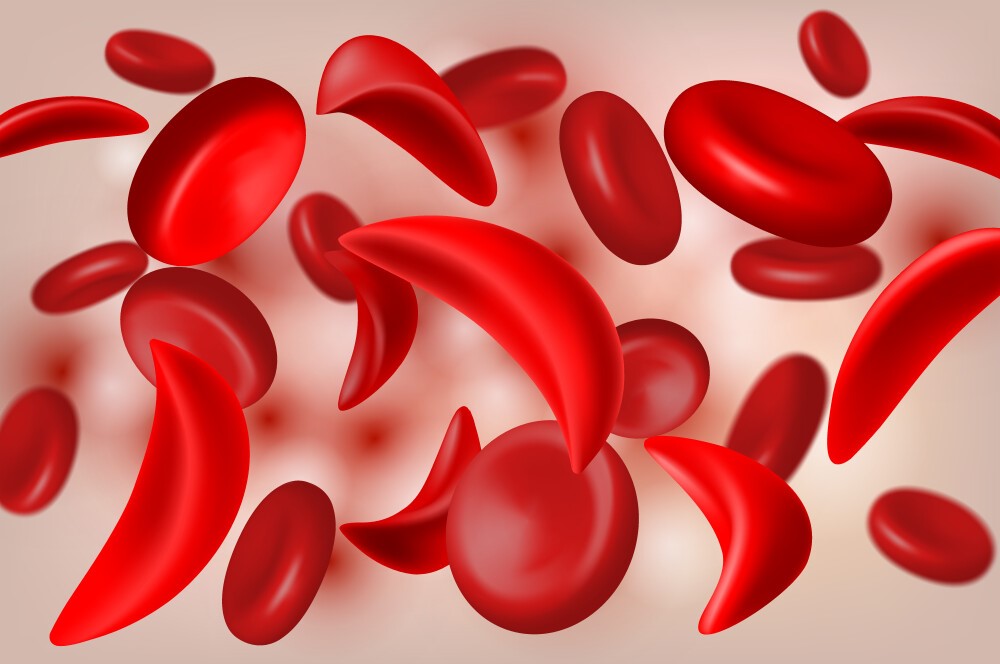
Sickle Cell Disease
Uganda has one of the world’s highest sickle cell burdens, with a 21.3% carrier rate and 25,000 affected births annually (Ndeezi et al., 2023). Without intervention, 50-80% of affected children die before age five, mainly from preventable complications (WHO Africa Regional Office, 2023). The economic burden of sickle cell disease exceeds $45 million annually in healthcare costs and lost productivity (Uganda Sickle Cell Rescue Foundation, 2023). Only 17% of affected individuals are diagnosed before symptom onset, and just 22% receive standard-of-care interventions (Uganda Clinical Guidelines, 2023). Eastern Uganda has carrier rates as high as 28% but lacks systematic screening programs and treatment infrastructure (Ministry of Health Sickle Cell Program, 2024).
School Health Services
Uganda’s 8.7 million school-aged children include approximately 2.3 million orphaned or vulnerable children who face significant health challenges (Uganda Ministry of Education, 2024). 68% of rural schools lack basic health services, and 72% lack adequate sanitation facilities (UNICEF, 2023). Health-related absenteeism affects 41% of schoolchildren, with girls missing an average of 12 school days annually due to menstrual hygiene management challenges (Menstrual Health Alliance Uganda, 2023). 53% of schoolchildren have nutritional deficiencies, impacting cognitive development and academic performance (WFP Uganda, 2024).

Cross-Cutting Gender Disparities
Gender inequities worsen healthcare challenges across all sectors. 41% of women and girls report being unable to make independent healthcare decisions (Uganda Demographic Health Survey, 2023). Maternal mortality is high at 336 deaths per 100,000 live births, with eastern Uganda reporting rates 22% above the national average (UNFPA, 2023). 56% of women in Uganda experience gender-based violence, with limited health system capacity to provide appropriate care (UN Women, 2023). Cultural practices and economic disparities create barriers to healthcare access, especially for reproductive and maternal health services.
Global Health Security Implications
Local health challenges in Uganda have broader implications for global health security. Inadequate WASH infrastructure increases the risk of disease outbreaks, while limited diagnostic capacity delays the identification of emerging health threats. Uganda’s position as a regional transportation hub and its history of managing Ebola outbreaks highlight the importance of strengthening local health systems as a frontline defense against pandemic threats.
The evidence demonstrates the urgent need for strategic investment in infrastructure, service delivery, and human resource capacity. Same Day Health Foundation’s comprehensive approach addresses these interconnected challenges through integrated interventions, building on existing platforms to expand access to essential services for vulnerable populations.
