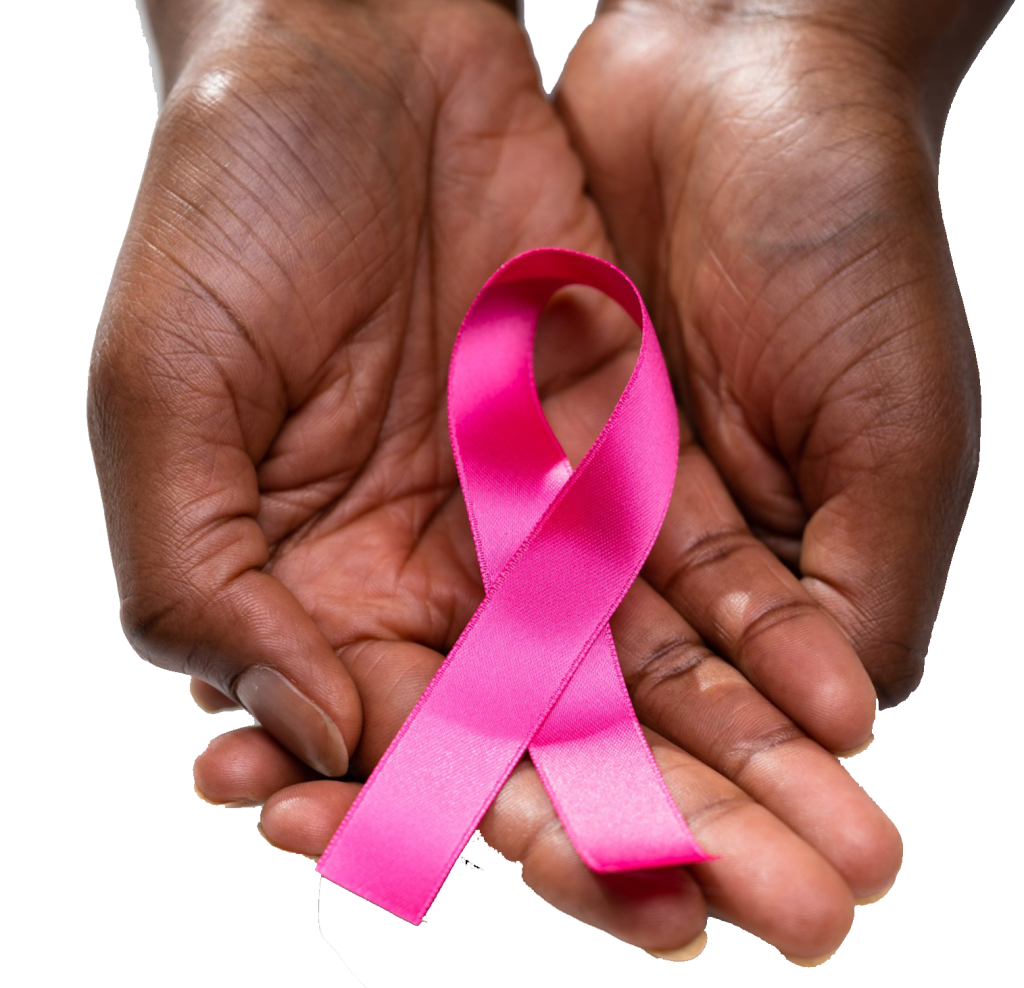
Cancer should not be a death sentence because of where you live. We are expanding access to early detection, diagnosis, and treatment by establishing regional oncology diagnostic centers. We also train healthcare providers, raise awareness, and reduce the long travel distances patients face to access life-saving care.
Impact Goal
Reach over 500,000 people with awareness and diagnostics services.
The Heartbreaking Reality:
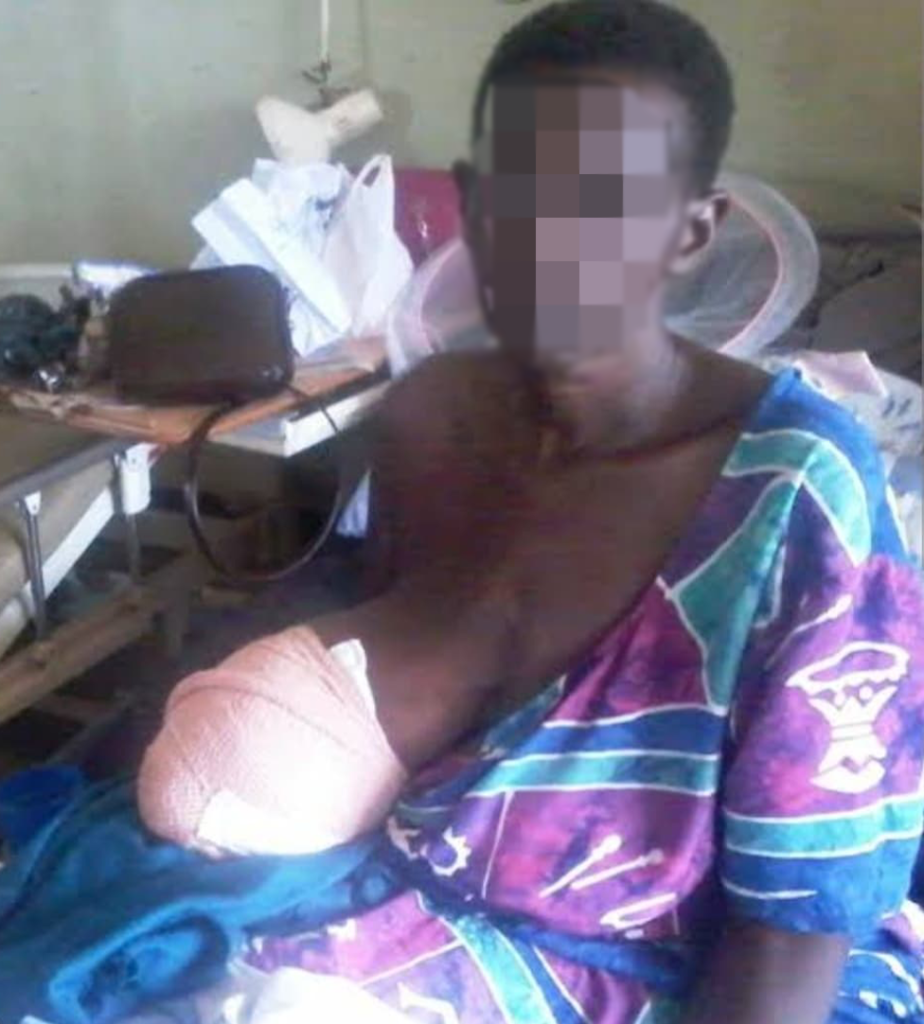
In eastern Uganda, a cancer diagnosis often comes as a death sentence – not because treatment doesn’t exist, but because it’s simply out of reach. Imagine traveling 12 hours by bus while in pain, spending your family’s entire savings, only to join an endless queue at an overwhelmed facility in Kampala. For most, detection comes too late, when precious treatment options have already slipped away.
Our Bold Response:
We’re refusing to accept this status quo. Instead, we’re bringing critical cancer detection services directly to communities that have been overlooked for far too long.
How it works in practice:
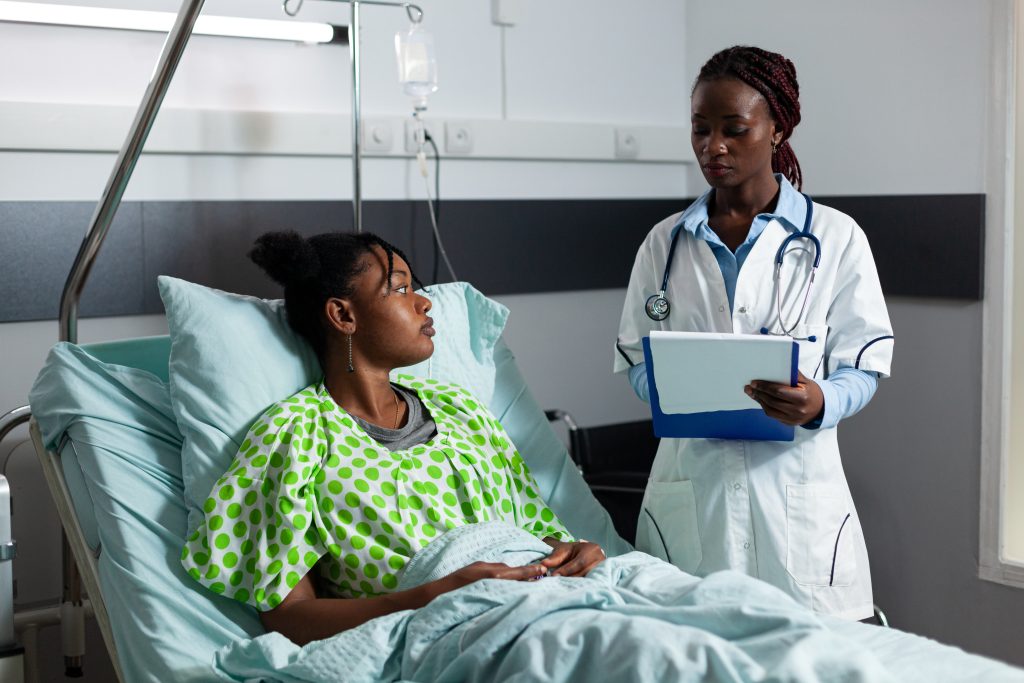
Our diagnostic centers bring sophisticated cancer screening to regions where it never existed before
Community health workers go door-to-door, encouraging screening and dispelling myths
Local doctors and nurses receive hands-on training to spot cancer warning signs early
Our community dialogues break the silence and stigma surrounding cancer
Telemedicine connects rural patients with specialists without the crushing burden of travel
Every positive diagnosis triggers a support system to help navigate the treatment journey
Beyond the numbers:
We’re not just increasing detection rates – we’re restoring dignity and hope. When a mother discovers her cancer early enough to see her children grow up, or when a teacher returns to the classroom after successful treatment, entire communities begin to see cancer differently.
From Despair to Hope:
“I felt the lump while bathing and immediately thought of my children growing up without me,” Mary whispers, her eyes bright with unshed tears. “In my village, cancer was just another word for death. But at the Same Day diagnostic center, they found my cancer at stage 1. The doctor held my hand and said, ‘We caught it early, Mary.’ Now I go from church to church telling women about early detection. My community sees me as living proof that cancer can be beaten.”
Stand With Us Against Cancer:
Your support doesn’t just buy medical equipment – it builds a safety net for families facing their darkest fears. When you give $100,000 toward a diagnostic center, you’re saying that geography shouldn’t determine who survives cancer.