We are Solution Oriented.
Overall Goal: Transform healthcare access and outcomes for vulnerable communities in Uganda through sustainable, locally owned interventions that address critical health challenges
SMART Objectives

Water, Sanitation, & Hygiene (WASH)
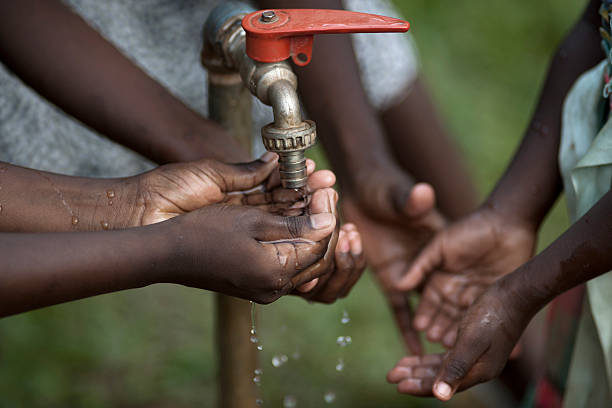
- Establish 300 community-managed boreholes and sanitation systems serving at least 1,050,000 people across 15 districts.
- Reduce the prevalence of waterborne diseases by 40% in target communities
- Train and certify 450 community WASH committees (50% female leadership) in system maintenance and water quality monitoring
- Achieve 85% household adoption of improved sanitation practices in target communities
- Establish WASH infrastructure in 120 schools, reaching 180,000 students, and reduce WASH-related absenteeism by 35%.

Sickle Cell Disease
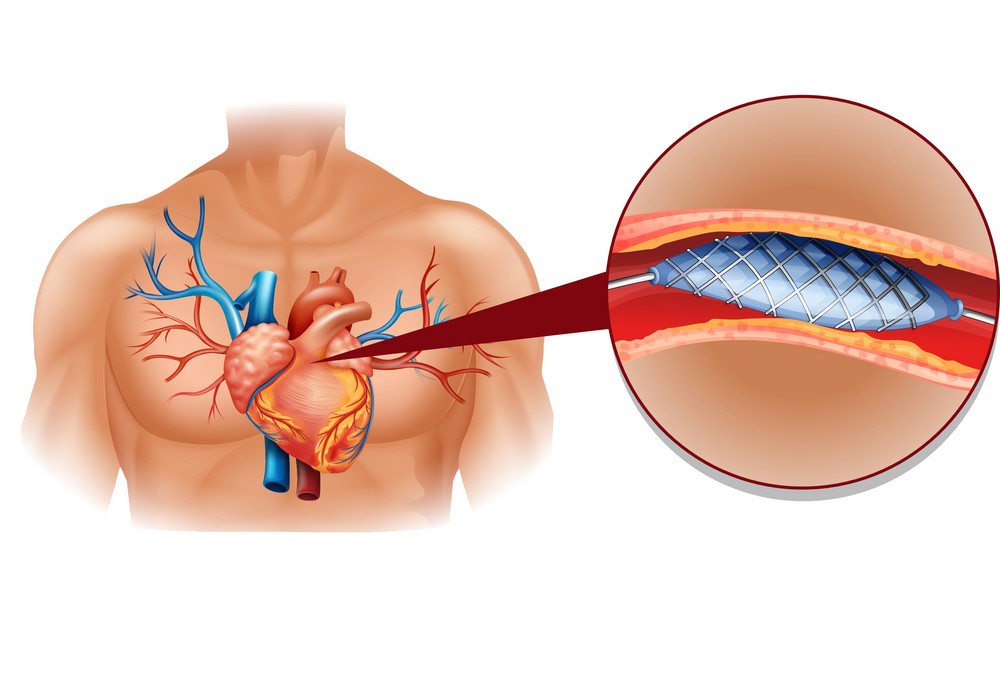
- Screen 150,000 newborns annually for sickle cell disease by Year 3, representing 80% coverage in target districts.
- Ensure 85% of identified sickle cell patients begin appropriate treatment within 3 months of diagnosis, documented through patient registries.
- Establish 18 sickle cell management centers with trained providers and necessary medications
- Reduce sickle cell-related childhood mortality by 60% in target districts
- Train 2,500 community health workers and 500 health facility staff in sickle cell identification, counseling, and management.
Hospital Capacity Expansion
- Expand Same Day Hospital Mbale from 100 to 250 beds by Month 36, including specialized units for oncology, pediatrics, and maternal health.
- Increase hospital service capacity from 75,000 to 200,000 patients, maintaining quality metrics above national standards.
- Implement a comprehensive electronic health record system with 100% patient coverage by improving continuity of care and data accessibility.
- Recruit, train, and retain 145 healthcare professionals (doctors, nurses, specialists, community health workers).
- Achieve Joint Commission International accreditation standards.

Oncology Services
- Establish 3 fully-equipped oncology diagnostic centers each capable of serving 15,000 patients annually with screening, diagnostic, and referral services.
- Increase early-stage cancer detection rates from the current 20% to at least 70% in serviced areas
- Train 45 healthcare providers in oncology diagnosis and care
- Reduce the average travel distance for oncology diagnostic services from 217km to less than 50km for 85% of the eastern Uganda population

School Health Services
- Provide comprehensive health services to 500,000 vulnerable schoolchildren (ages 5-18)
- Establish health screening and referral systems in 250 schools by Month 24, with 90% of identified health issues receiving appropriate follow-up.
- Reduce health-related absenteeism by 50% in participating schools
- Implement menstrual hygiene management programs in 200 schools by Year 3, reducing girls' absenteeism by 75% compared to baseline.
- Achieve 80% compliance with WHO school health standards in participating schools by project conclusion, measured by standardized assessment tools.

IMPLEMENTATION
WASH Program Implementation
- Community WASH committee formation with 50% female leadership.
- Water quality monitoring program with monthly testing and reporting.
- Hygiene education campaigns
- School WASH programs
- Quarterly maintenance checks and technical support for all water points.
Oncology Services
- Community cancer awareness campaigns
Screening programs focusing on breast, cervical, and colorectal cancers. - Provider training on cancer detection and patient management.
Referral network development connecting diagnostic centers with treatment facilities. - Data collection system for cancer registry contribution.

Sickle Cell Disease
- Newborn screening implementation
- Patient tracking system ensuring follow-up for positive diagnoses.
- School-based screening and education programs.
School Health Program
- Mobile clinic rotation schedule ensuring quarterly visits to schools.
- School health screening protocols
- Teacher training on health promotion and emergency response
- Menstrual hygiene management program implementation.
- Nutrition assessment and supplementation for vulnerable children.
- Vision and hearing screening with referral pathways for identified needs.
The Life-Threatening Gap
When serious illness strikes in eastern Uganda, families face an impossible choice – endure the grueling journey to Kampala with a desperately ill loved one, or stay home and pray for the best. For too many, specialized care remains a distant dream rather than a basic right.
Our Promise to the Community:
We’re reshaping what’s possible by transforming Same Day Hospital Mbale into a beacon of excellence that rivals any facility in the country. This isn’t just about a bigger building – it’s about bringing world-class healthcare within reach of those who’ve been forgotten.
The Blueprint for Change:
Our oncology and sickle cell units will bring specialized care to thousands who currently have nowhere to turn Cutting-edge diagnostic equipment will provide answers without the agony of waiting and referrals Digital records will follow patients throughout their care journey, improving coordination We’re creating a learning environment where local healthcare talent can flourish Quality standards will match international benchmarks – we refuse to accept a double standard for rural patients Environmental sustainability is built into every aspect, from solar power to water recycling
What This Really Means:
When a child with sickle cell crisis receives expert care within the golden hour rather than after a painful 6-hour journey. When a cancer patient completes their entire treatment plan locally, supported by family. When a complicated delivery results in two lives saved instead of two lives lost. That’s the true measure of our impact.
A Family's Relief:
“My son Daniel has had sickle cell disease since he was a baby,” Florence shares, gently stroking her son’s hand. “Before the new unit opened, every crisis meant borrowing money for transport to Kampala, finding somewhere to stay, missing work, and leaving my other children behind. The journey itself would make Daniel worse. Now, I just jump on a bodaboda and in 30 minutes, we’re receiving care from doctors who know his history, in a facility with everything he needs. Last crisis, we were home the same day. For a family like ours, this isn’t just convenient – it’s life-changing.”
Be Part of Our Vision:
When you support our hospital expansion, you’re not just putting bricks and mortar in place or buying equipment. You’re reshaping what’s possible for an entire region. Your investment continues giving for generations, as children grow up knowing that quality healthcare is their right, not a privilege.
Gender Equity and Social Inclusion (GESI) Strategy
The project is committed to promoting gender equity and social inclusion (GESI) in all aspects of its design and implementation. A GESI strategy has been developed in accordance with USG regulations to ensure that all individuals, regardless of gender, age, disability, ethnicity, or other social status, have equitable access to project benefits and participate meaningfully in project activities.
Action Plan
- Ensuring 50% female participation in WASH committees.
- Training healthcare providers on gender-sensitive care.
- Establishing youth-friendly health services.
- Promoting male involvement in maternal and child health.
- Collecting and analyzing data disaggregated by sex, age, and disability.
The GESI strategy will be regularly reviewed and updated as needed. The project will work closely with community members and stakeholders to promote gender equity and social inclusion and ensure that all individuals have the opportunity to benefit from improved healthcare access.
Principles
- Equity
- Participation
- Empowerment
- Accountability
Strategies
- Gender Analysis: A gender analysis was conducted to identify gender-related barriers to healthcare access and inform project design.
- Targeted Interventions: The project includes specific interventions to address the needs of women and girls, such as:
- Menstrual hygiene management programs in schools.
- Maternal health services
- Gender-based violence prevention and response
- Inclusive Approaches
- Community Engagement
- Capacity Building
- Monitoring and Evaluation